Beaty Out of SMEC, Keeton in
PROTECTED CONTENT
If you’re a current subscriber, log in below. If you would like to subscribe, please click the subscribe tab above.
Username and Password Help
Please enter your email and we will send you a password reset link.
Beaty Out of SMEC, Keeton in
By Shane Gilreath
SCN Contributing Editor
[email protected]
After months of speculation and public scrutiny, it was announced at last Monday’s County Commission meeting that Scott County Attorney John Beaty would officially resign his seat on the Scott-McCreary Environmental Coalition (SMEC), a regional coalition formed in response to the proposed Roberta II landfill project. Beaty’s involvement has been contentious for some months with Cumberland Clear lawyer Elizabeth Murphy asking for Bailey’s to recuse himself in
September. A letter Beaty wrote has also become a major piece of evidence in the lawsuit against Roberta brought by Rock Properties , with lawyers for TDEC and Roberta arguing that Beaty’s words are evidence of Scott County’s support for the landfill proposal. As a result of his resignation, the issue of who would replace Beaty as Scott County’s representative quickly became one of the more notable discussions during the County Commission meeting.
“We’ve won a few important battles, but Knox Horner has gone under cover,” Kathy Obrusanszki, a longtime member of Cumberland Clear, told commissioners during public comments, referencing the public face of the Roberta project. “It’s important to stay vigil.”
As part of her call for vigilance, Obrusanszki urged the commission to carefully consider who would represent Scott County on SMEC moving forward. She also pointed out what would be an imbalance in representation among coalition members should the County Commission not act to replace Beaty. Other participating governments – including the towns of Oneida, Winfield, and Huntsville, along with Scott County and McCreary County, Kentucky – each maintain two delegates within the coalition’s structure (though other county and municipal representatives often attend).
“Oneida and Scott County have the responsibility of approving solid waste contracts,” Obrusanszki said as she shifted attention toward the Scott County Solid Waste Board (SCSWB) – a vital reason for Scott County to be appropriately represented. In doing so, she reminded commissioners that state regulations allow the board to have as many as 15 members and encouraged the appointments of both Commissioner Kelly Posey-Chitwood and former Occupational Safety and Health Administration (OSHA) Director Bill Murphy.
“Murphy’s resume reads like an army general,” she added of the retired OSHA official.
Murphy has become a prominent local opponent of the Roberta landfill proposal and has repeatedly advocated for tighter environmental oversight in public meetings over the last year. During a November 2025 visit by representatives from the Tennessee Department of Environment and Conservation (TDEC), Murphy emphasized his experience handling environmental disasters, including work connected to the Kingston coal ash spill and recovery efforts following the September 11 terrorist attacks.
“I know about landfills,” Murphy told TDEC officials at the time, highlighting his wealth of knowledge in the field and correcting state officials on the availability of environmental testing where waste management is concerned.
While the commission took no formal action regarding appointments to the SCSWB, commissioners did move forward with selecting Beaty’s replacement on SMEC.
“Ms. Joyce wound up volunteering and getting recommendations from her fellow commissioners,” County Mayor Jerried Jeffers, who also serves on SMEC, said before calling for a vote.
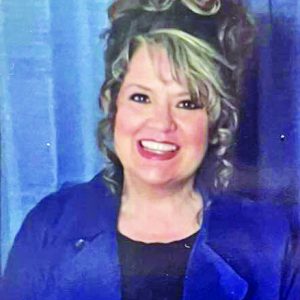
Commissioner Joyce Keeton, who has attended legislative and court appointments in Nashville pertaining to Roberta, was ultimately appointed to the coalition seat following a motion by Posey-Chitwood and a second from Commissioner Robyn McBroom.