Sober Living House raises eyebrows
PROTECTED CONTENT
If you’re a current subscriber, log in below. If you would like to subscribe, please click the subscribe tab above.
Username and Password Help
Please enter your email and we will send you a password reset link.
Sober Living House raises eyebrows
By Shane Gilreath
[email protected]
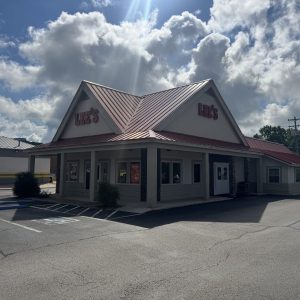
“My desire is to help the community,” Amy Montgomery told SCN. Montgomery’s new business, Recovery Ridge Sober Living, has been met with community backlash, given its proximity to Oneida High School and residential neighborhoods. Though Montgomery said she understands the concern, she insists that it’s based on a misunderstanding of what her facility actually does and the work it undertakes: providing supportive, substance-free environments for individuals recovering from addiction. Unlike treatment centers, like Myrtle Recovery, a sober living house – often called a halfway house – typically does not offer medical or therapeutic services and allows for voluntary entry, which removes mandatory treatment via state law. Tennessee Code 33-2-1402 states that courts and other law enforcement bodies cannot refer an individual to a recovery residence unless that residence is recognized and/or certified by an organization or funded by a state or federal agency.
Despite lingering questions, Montgomery, who told SCN that she is working to get all proper documentation and accreditations, said, “We thoroughly screen and drug test and (residents) are required to go to so many meetings per week.”
Recovery Ridge, which currently has one resident, will eventually house 12, including a house manager, and will eventually grow to 18 residents once a remodel of an outlying apartment is complete, which could put the facility in violation of residential zoning laws. Residents – all of whom are required to keep employment and pay a rent to Recovery Ridge – typically move into sober living houses after completing inpatient treatment elsewhere, using facilities like Montgomery’s, as a bridge – a halfway house – before returning fully to daily lives.
In response to Recovery Ridge, Jeanny Phillips, Director of the Oneida School District, said in a statement: “As Superintendent of the Oneida Special School District, my foremost responsibility is to protect the safety, well-being, and educational environment of our students. It has come to my attention that a halfway house is being established approximately 365 feet from our Oneida Schools property next to JayCee Ballpark.
“While I recognize the importance of rehabilitation services within our broader community, I must firmly express my concern and opposition to the placement of such a facility in such close proximity to a school campus. Schools must remain safe havens where students can learn, grow, and thrive without added concerns about their security or peace of mind. This decision raises serious questions about student safety, parental confidence, and the overall stability of our school environment. Our district is committed to providing the best possible education for our children, and ensuring a safe, supportive learning space is non-negotiable. I respectfully urge all involved decision-makers to reconsider the location of this halfway house and to seek an alternative site that both supports community needs and protects the safety and well-being of our students.”
For her part, Montgomery, who has been a longtime advocate for recovery, has felt blindsided by the backlash, saying she reached out to local leaders with her plans. “The feedback was very positive,” she said, “and then it wasn’t.
Neighbors, too, have expressed concerns, fearing an increase of drugs and the potential for crime in the area given the statistical probability for relapse. While most critics admit that Montgomery’s mission is honorable, they wonder if she has unknowingly rushed plans to open without following proper protocols. According to a public statement made to Montgomery, Oneida Mayor Lori Phillips-Jones questioned the facility’s readiness to open.
“Informing me about your open house (scheduled for September 19th) does not mean that we discussed your business plan, your proximity to the school or any discussions you had had with the state fire marshal’s office or any licensing agency prior to setting this open house,” Phillips-Jones said in response to allegations that she was the negligent party. “Neither did you ask to come before the planning commission for permission for a changed use of the property. It is important for business owners to do their homework prior to setting up a business.”
SCN will continue to report as this story develops.